Introduction
In recent years, a new category of hospitality has been quietly reshaping luxury travel: the destination hotel. These are not simply places to stay while visiting a city or region. They are the reason travelers come in the first place. Increasingly, the most compelling hotels are no longer defined by brand recognition or urban prestige, but by their ability to embody a landscape, a culture, or a specific vision of travel.
Rather than competing through scale or spectacle, these properties create meaning through atmosphere, architecture, and emotional connection to place.
Hotels that define their surroundings
Some hotels feel inseparable from their environment. They are conceived not as isolated developments, but as natural extensions of the landscape around them.
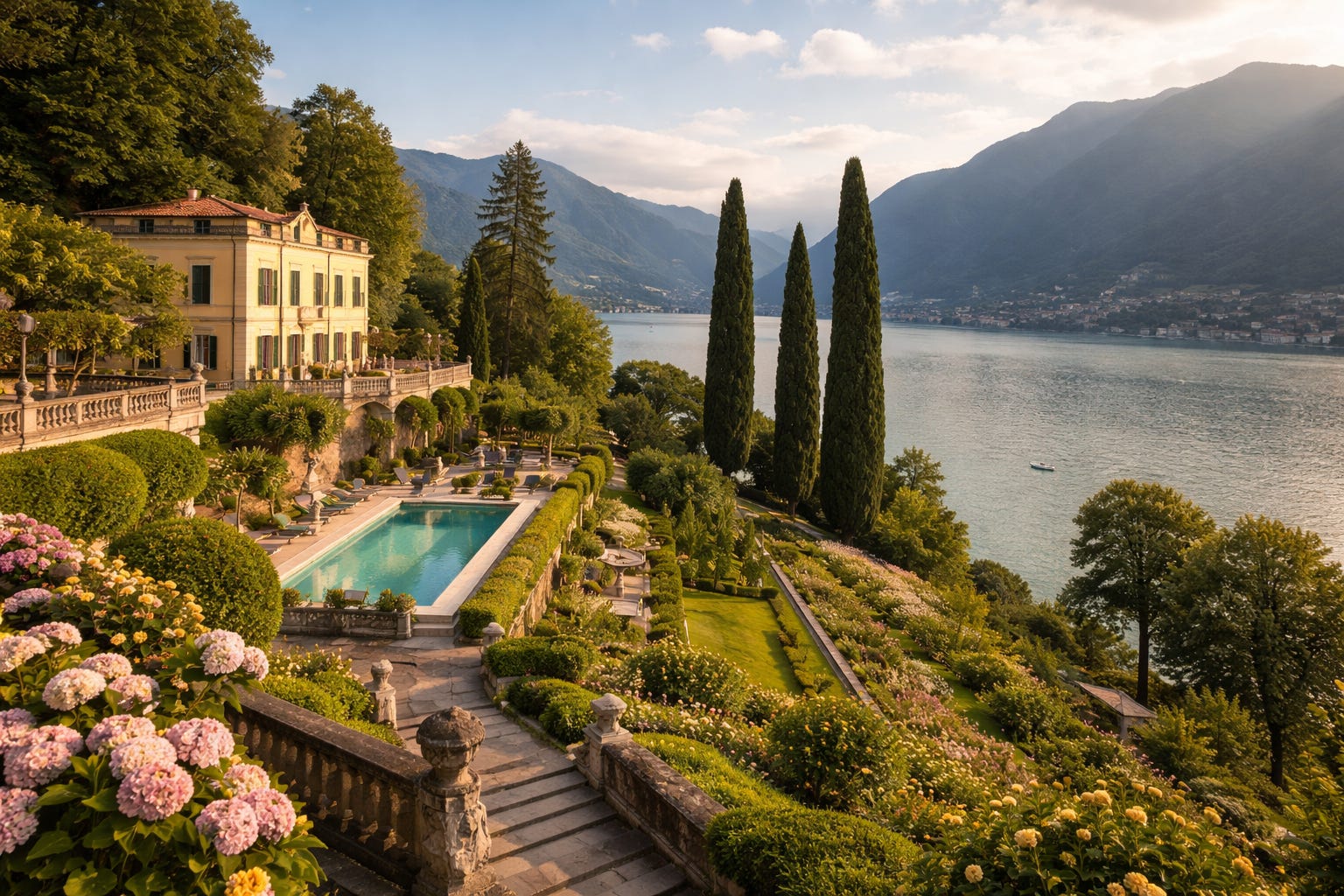
In Italy, places like Passalacqua or Reschio demonstrate how heritage and restoration can create something deeply contemporary. Their appeal lies not in novelty, but in the sense that every element — from gardens to interiors — has been shaped by patience and respect for history.
Elsewhere, projects such as Desert Rock in Saudi Arabia take the opposite approach, using bold architectural ideas to merge hospitality with raw geography. Built directly into desert mountains, the hotel feels less like a building and more like a sculptural intervention within the landscape.
In destinations like Bacalar in Mexico, eco-conscious properties such as Boca de Agua illustrate another direction for hospitality. Elevated structures, light architectural footprints, and deep immersion in nature redefine what luxury can look like when environmental sensitivity becomes central to design.
The shift toward experiential travel
This evolution reflects a broader change in how people travel today. Increasingly, travelers are not looking for the most famous hotel in a destination — they are looking for the most meaningful one.
Luxury is no longer defined solely by service standards or amenities. Instead, it emerges from qualities that are harder to replicate: silence, privacy, architectural intention, cultural depth, and a strong sense of place.
The result is a growing number of hotels that feel almost cinematic in their identity. They become settings for memory rather than simply accommodation.
Conclusion
As hospitality continues to evolve, the most compelling properties will likely be those that resist standardization. Hotels that embrace their environment, their history, and their cultural context are the ones that tend to leave the deepest impression.
For travelers who enjoy discovering remarkable hotels around the world, I also curate a selection of distinctive properties on my website: https://hotelsguideco.com
It’s a space dedicated to exploring hotels that stand out not for their size or marketing, but for their character and sense of place.